
Phylum: protozoa

First animals, solitary or colonial and protoplasmic grade of organization. Simple, unicellular microscopic organisms. Generally free living found in fresh water, salt water and damp soil. Some are parasitic and commensal. Body is naked or covered by pellicle, exoskeleton or internal skeleton may be present in some forms. Locomotory organs are pseudopodia, whip-like flagella and … Read more
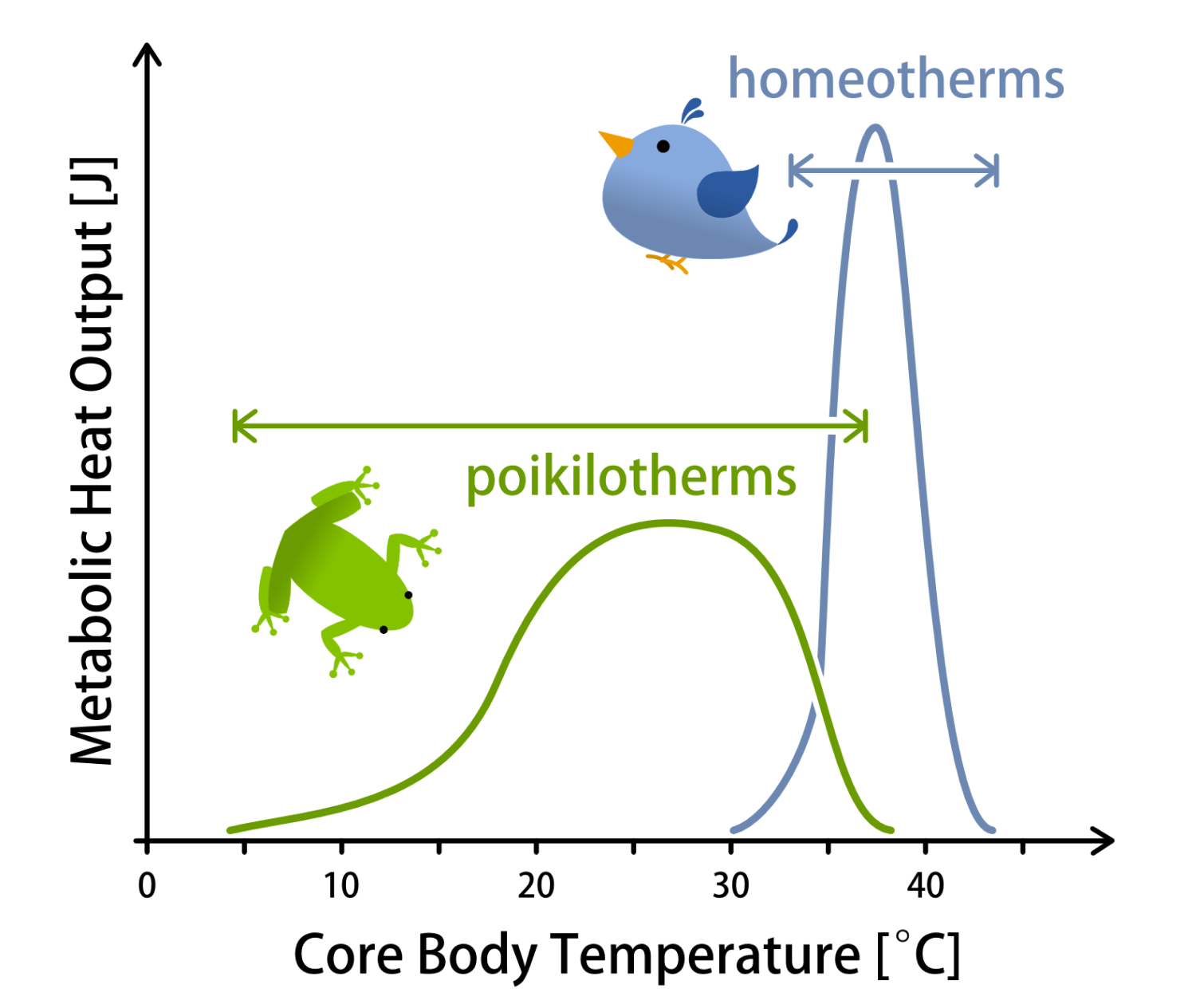
Differences between poikilothermic and homeothermic animals

S.N Poikilothermic animals Homeothermic animals 1. Relatively variable body temperature. Relatively constant body temperature. 2. They are oviparous. Thy may be oviparous or viviparous. 3. Most of them have gills for respiration. They have lungs for respiration. 4. They have 2 or 3 chambered heart except crocodile. They have four chambered heart. 5. Their skin … Read more

Differences between vertebrates and invertebrates

S.N Vertebrates Invertebrates 1. They have backbone or vertebral column. They do not have backbone or vertebral column. 2. They are the most organized animals on the earth. They are not organized as vertebrates. 3. They consist of single phylum. They consist of eight phylum. 4. They have internal skeleton. Internal skeleton absent. 5. They … Read more

Differences between Culex and Anopheles mosquitoes

     Phase                  Culex                    Anopheles                   Eggs 1. vertically laid in clusters on the surface of water. 1. laid singly and horizontally on the surface of water. 2. cigar shaped. 2. boat shaped (spindle shaped). 3. not provided with lateral air floats. 3. two lateral air floats are present. 4. laid … Read more