
Seed and its structure

Seed and its structure
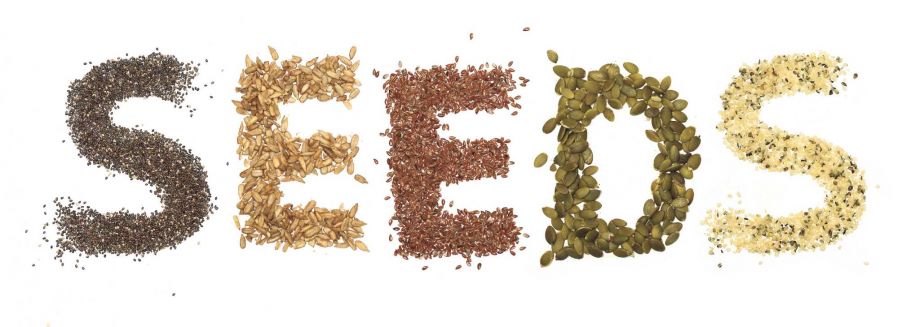
Introduction of Seed The seed is a ripened ovule developed after fertilization. It consists of an embryo and reserve food surrounded by seed coat. The food may be stored in the cotyledons of embryo in non-endospermic or ex-albuminous seeds (e.g.pea, grams, bean) or in a special tissue of seed, called endosperm in endospermic or albuminous … Read more

Characteristics and economic importance of Gramineae (Grass family)

Characteristics and economic importance of Gramineae (Grass family)

1. Diagnostic features New name: Poaceae Herbs with rounded stem and hollow internodes. Leaves simple, exstipulate alternate with sheathing leaf base, ligule usually present. Inflorescence compound spike. Flowers bisexual or unisexual, zygomorphic, subtended by glumes. Perianth minute, scaly called lodicules 2-3 in number. Stamens 3 with versatile anthers. Gynoecium monocarpellary with a single basal ovule, … Read more

Fruit and its type

Fertilized ovary is called fruit. It has two parts i.e. fruit wall or pericarp and seeds. Pericarp is made up of three layers epicarp, mesocarp and endocarp. Fruits might be true fruits and false fruits. True fruit develops from ovary and false fruit develop from any part other than ovary. Types of fruits: Fruits are … Read more