
Characteristics and economic importance of Solanaceae (potato family)

Characteristics and economic importance of Solanaceae (potato family)
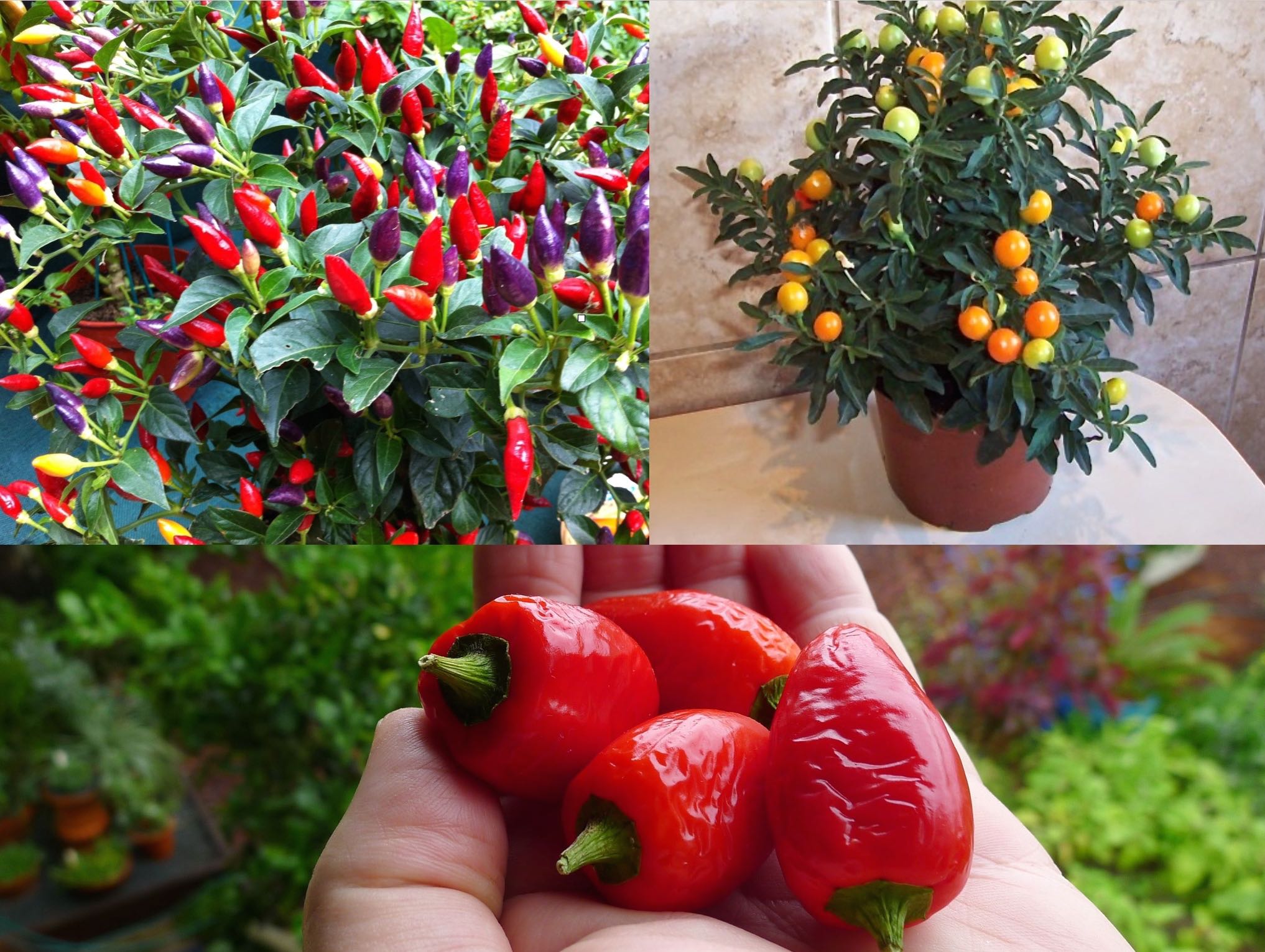
1. Diagnostic features Rarely trees, mostly herbs or shrubs. Leaves- simple, alternate in the vegetative parts and opposite in the floral region, ex-stipulate, petiolate or sub-sessile. Flowers- bisexual, actinomorphic and hypogynous. Stamens usually 5, polyandrous, epipetalous. Gynoecium- bi-carpellary, syncarpous with axile placentation, placenta is swollen, ovule numerous. Ovary obliquely placed. Fruit- a berry or a … Read more
Characteristics and economic importance of Cruciferae (Brassicaceae)

Characteristics and economic importance of Cruciferae (Brassicaceae)

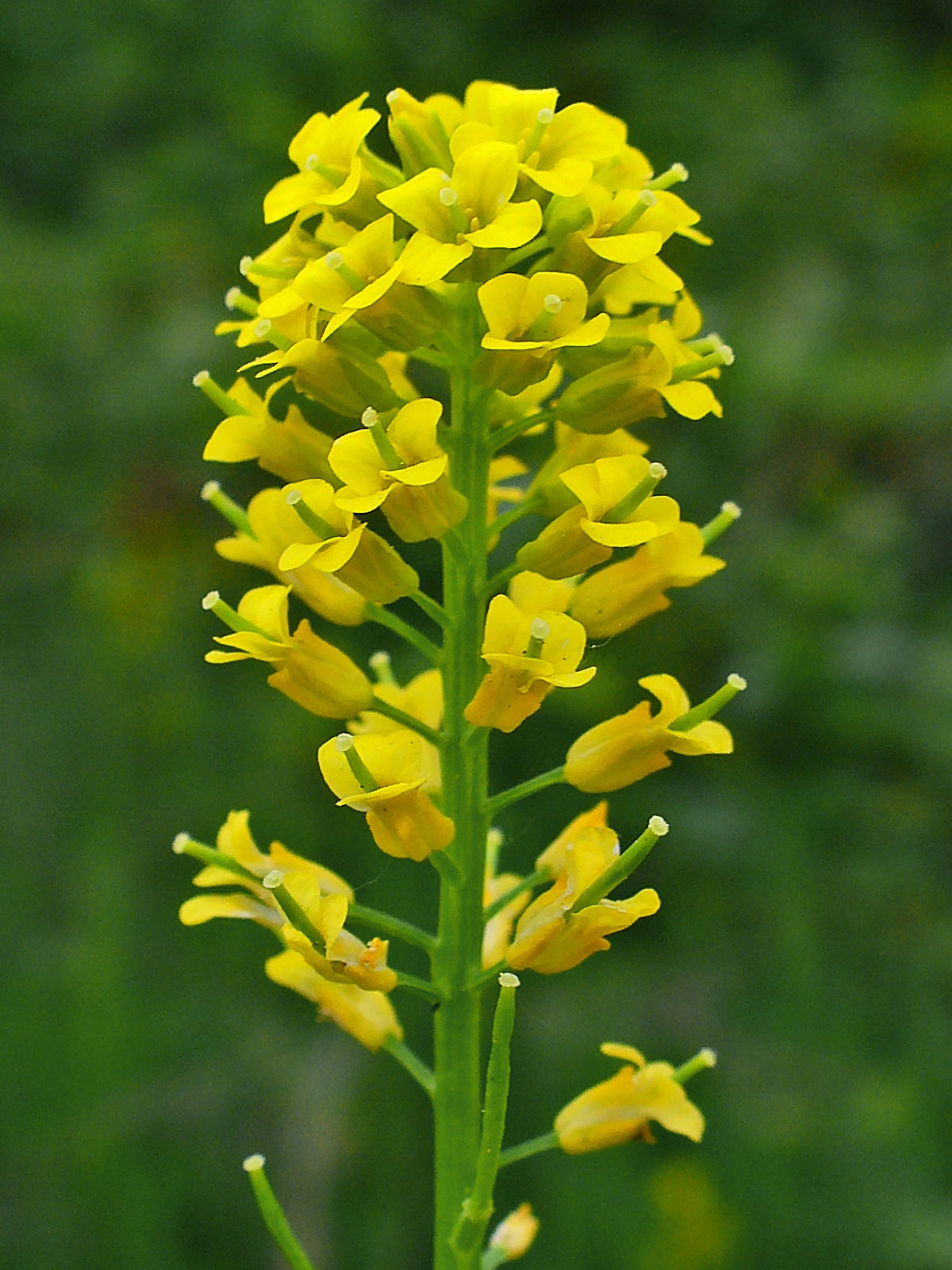
1. Diagnostic features Herbaceous, exstipulate, alternate leaves. Inflorescence- typical racemose type. Flowers- ebracteate and bisexual, Calyx-4, freely arranged in two whorls, Corolla-4, cruciform, Stamens-6, tetradynamous. Gynoecium: bi-carpellary, syncarpous with parietal placentation. Fruit- siliqua or silicula. 2. Distribution Worldwide in distribution. But they abundantly grow in temperate and cold parts of the northern hemisphere. Many species … Read more

Characteristics and economic importance of family Papilionaceae (Leguminosae)

1. Diagnostic features : Mostly herbs, rarely shrubs or trees, often climbing. Leaves alternate, stipulate, simple, or imparipinnately compound. Flowers bisexual, zygomorphic, corolla papilionaceous, aestivation descending- imbricate, posterior petals outermost, stamens 10 or 9, monadelphous or diadelphous, rarely free. Gynoecium monocarpellary, unilocular with marginal placentation. Fruit a legume or pod.  2. Distribution : Includes about 482 … Read more