
Characteristics and economic importance of Liliaceae (Lily family)

Characteristics and economic importance of Liliaceae (Lily family)

1. Diagnostic features Mostly perennial herbs, small shrubs or sometimes climbers. Stem usually modified into bulbs, corms or rhizomes. Leaves radical or cauline, alternate or whorled. Inflorescence racemose, borne on long leafless scape. Flower small, bracteates bisexual, actinomorphic, hypogynous, trimerous. Tepal-6 in two whorls. Stamens 6 in two whorls, polyandrous, epipetalous. Gynoecium tricarpellary, syncarpous, trilocular, … Read more
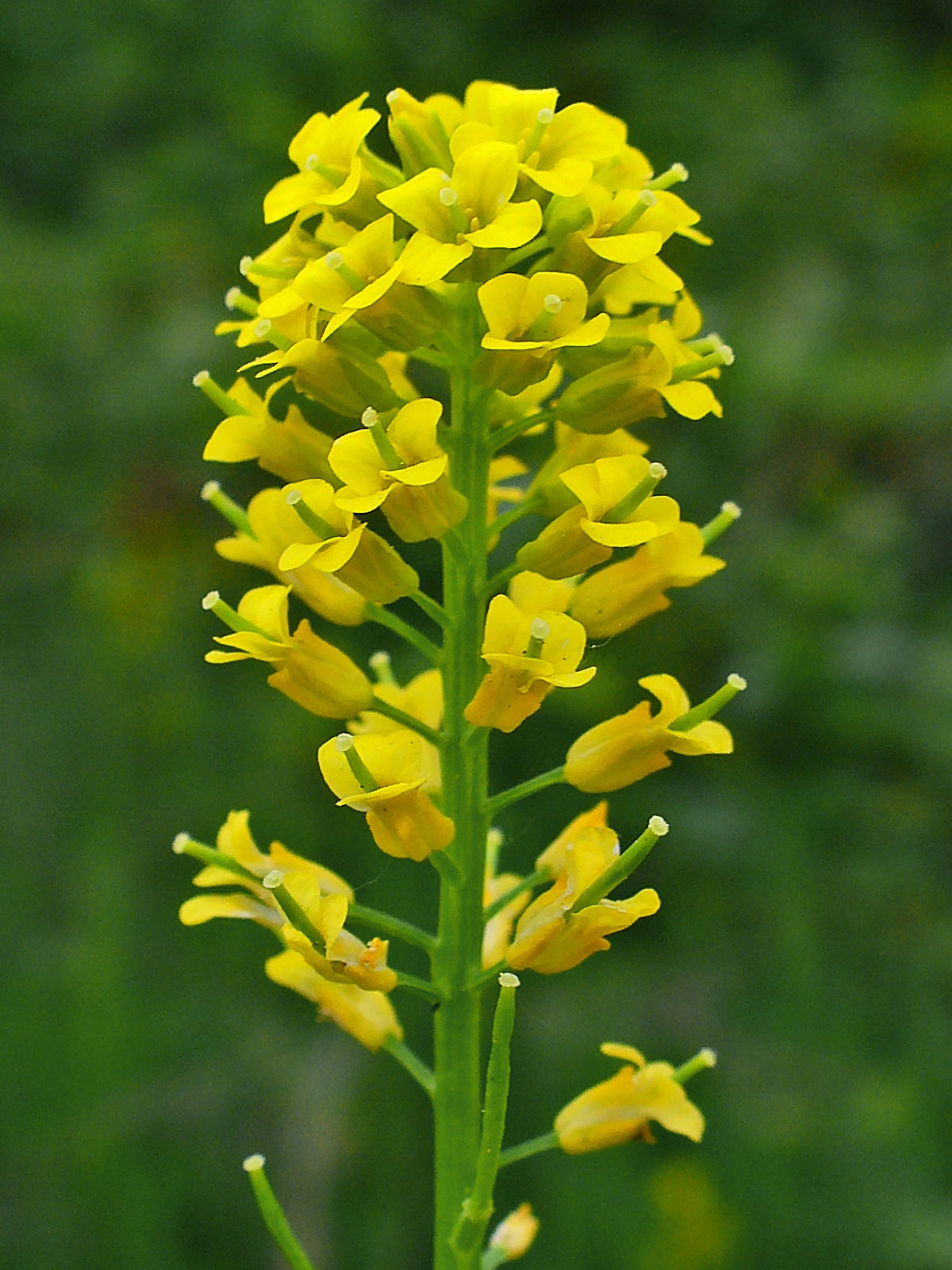
Characteristics and economic importance of Cruciferae (Brassicaceae)

Characteristics and economic importance of Cruciferae (Brassicaceae)

1. Diagnostic features Herbaceous, exstipulate, alternate leaves. Inflorescence- typical racemose type. Flowers- ebracteate and bisexual, Calyx-4, freely arranged in two whorls, Corolla-4, cruciform, Stamens-6, tetradynamous. Gynoecium: bi-carpellary, syncarpous with parietal placentation. Fruit- siliqua or silicula. 2. Distribution Worldwide in distribution. But they abundantly grow in temperate and cold parts of the northern hemisphere. Many species … Read more

Characteristics and economic importance of family Malvaceae (Mallow Family)

Characteristics and economic importance of family Malvaceae (Mallow Family)

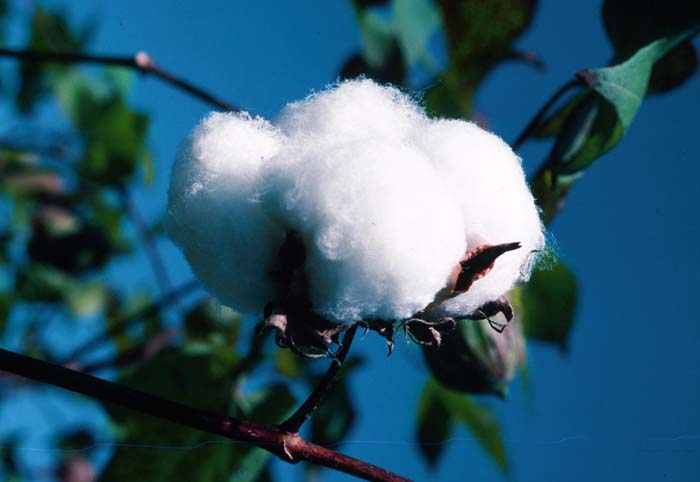
1.Diagnostic Features Mostly annual or perennial herbs, sometimes shrubs (Hibiscus rosa-sinensis) or trees. Stem possesses mucilage and stellate hairs. Leaves alternate and stipulate (stipules often deciduous). Epicalyx usually present. Image source: pullupyour   Flowers actinomorphic, bisexual and hypogynous. Stamens numerous monadelphous and epipetalous, anthers monothecous and reniform. Ovary multicarpellary, syncarpous with axile placentation. Fruit a … Read more