Differences between Spermatogenesis and Oogenesis

S.N Spermatogenesis Oogenesis 1. It occurs in seminiferous tubules of testes. It occurs in ovaries of female. 2. It results in the production of four sperm cells, all of which are functional. It results in the formation of only one large egg cell or ovum and three polar bodies. 3. Mature sperms are very small … Read more

Characteristics and economic importance of Gramineae (Grass family)

Characteristics and economic importance of Gramineae (Grass family)

1. Diagnostic features New name: Poaceae Herbs with rounded stem and hollow internodes. Leaves simple, exstipulate alternate with sheathing leaf base, ligule usually present. Inflorescence compound spike. Flowers bisexual or unisexual, zygomorphic, subtended by glumes. Perianth minute, scaly called lodicules 2-3 in number. Stamens 3 with versatile anthers. Gynoecium monocarpellary with a single basal ovule, … Read more

Characteristics and economic importance of Liliaceae (Lily family)

Characteristics and economic importance of Liliaceae (Lily family)

1. Diagnostic features Mostly perennial herbs, small shrubs or sometimes climbers. Stem usually modified into bulbs, corms or rhizomes. Leaves radical or cauline, alternate or whorled. Inflorescence racemose, borne on long leafless scape. Flower small, bracteates bisexual, actinomorphic, hypogynous, trimerous. Tepal-6 in two whorls. Stamens 6 in two whorls, polyandrous, epipetalous. Gynoecium tricarpellary, syncarpous, trilocular, … Read more

Characteristics and economic importance of Solanaceae (potato family)

Characteristics and economic importance of Solanaceae (potato family)

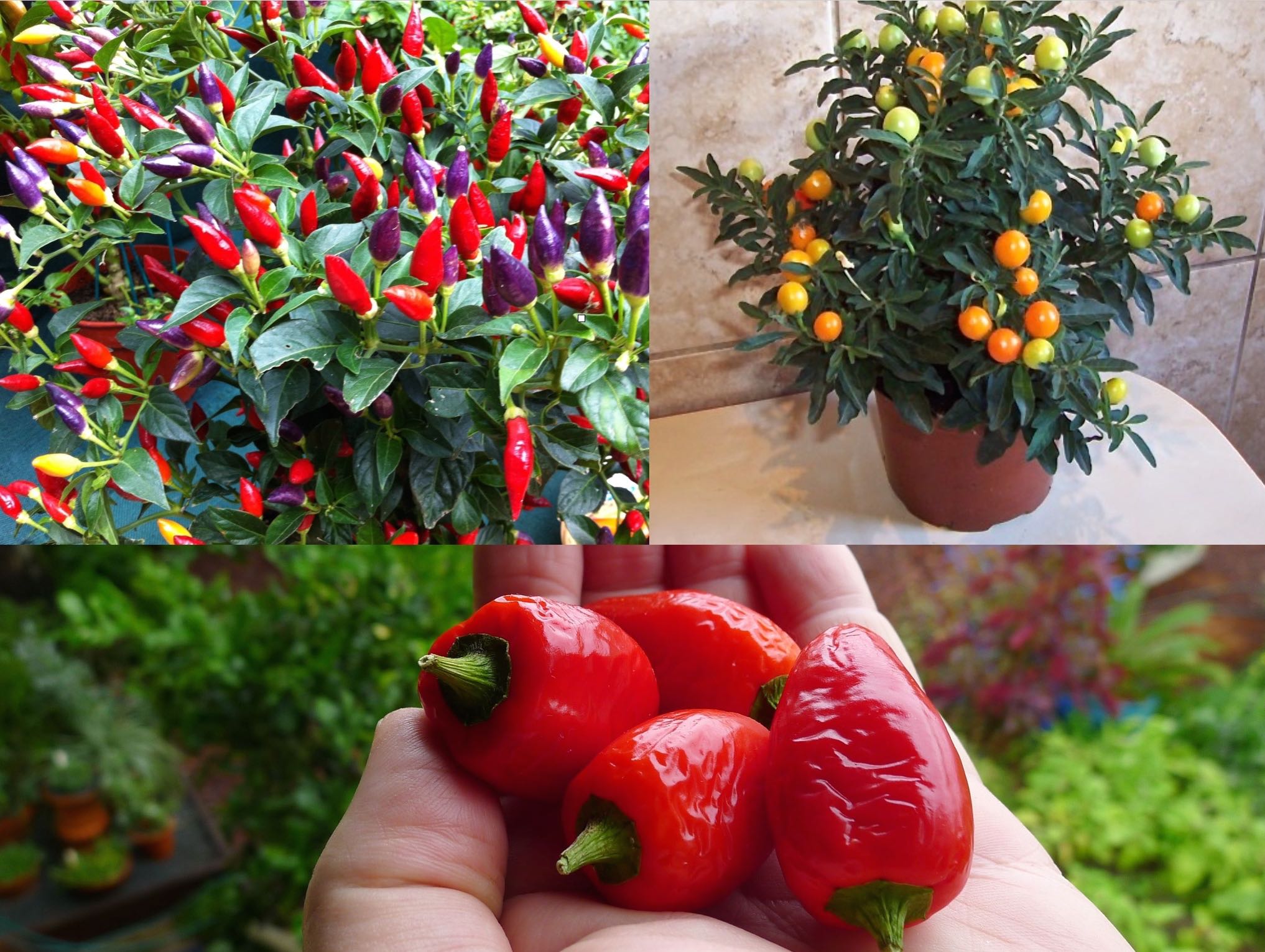
1. Diagnostic features Rarely trees, mostly herbs or shrubs. Leaves- simple, alternate in the vegetative parts and opposite in the floral region, ex-stipulate, petiolate or sub-sessile. Flowers- bisexual, actinomorphic and hypogynous. Stamens usually 5, polyandrous, epipetalous. Gynoecium- bi-carpellary, syncarpous with axile placentation, placenta is swollen, ovule numerous. Ovary obliquely placed. Fruit- a berry or a … Read more

Aquatic animals and their adaptational characteristics

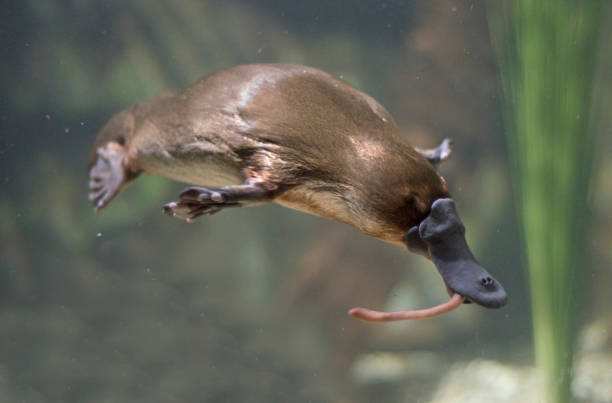
Aquatic animals and their adaptational characteristics

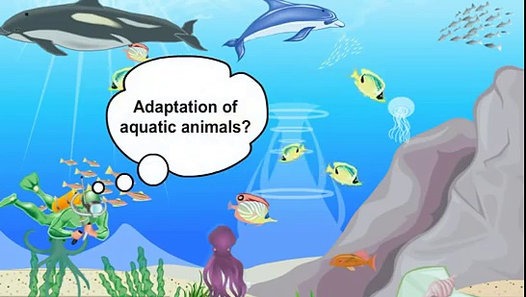
Introduction Any change in an organism that makes it slowly or rapidly better suited to the environment is called adaptation. It can also be defined as the process of adjustment of an organism to its environment. It increases the possibility of survival of an organism for a longer time as it helps the organism to … Read more

Stem and its modification

Stem and its modification

Introduction It is the aerial part of the vascular plant. In botany it means, the plant axis that bears buds and shoots with leaves and, at its basal end, roots. It develops from the plumule and bears branches, flowers and leaves. It is differentiated into nodes and internodes which may not be distinct in some cases. It is normally positively … Read more

Roots and its modification

Roots and its modification

Introduction Downward growing part of the vascular plant is called root. Root can also be aerial or aerating, that is, growing up above the ground or especially above water. Therefore, the root is best defined as the non-leaf, non-nodes bearing parts of the plant’s body. On the germination of seed the first root arises from the … Read more

Characteristics and economic importance of Cruciferae (Brassicaceae)

Characteristics and economic importance of Cruciferae (Brassicaceae)

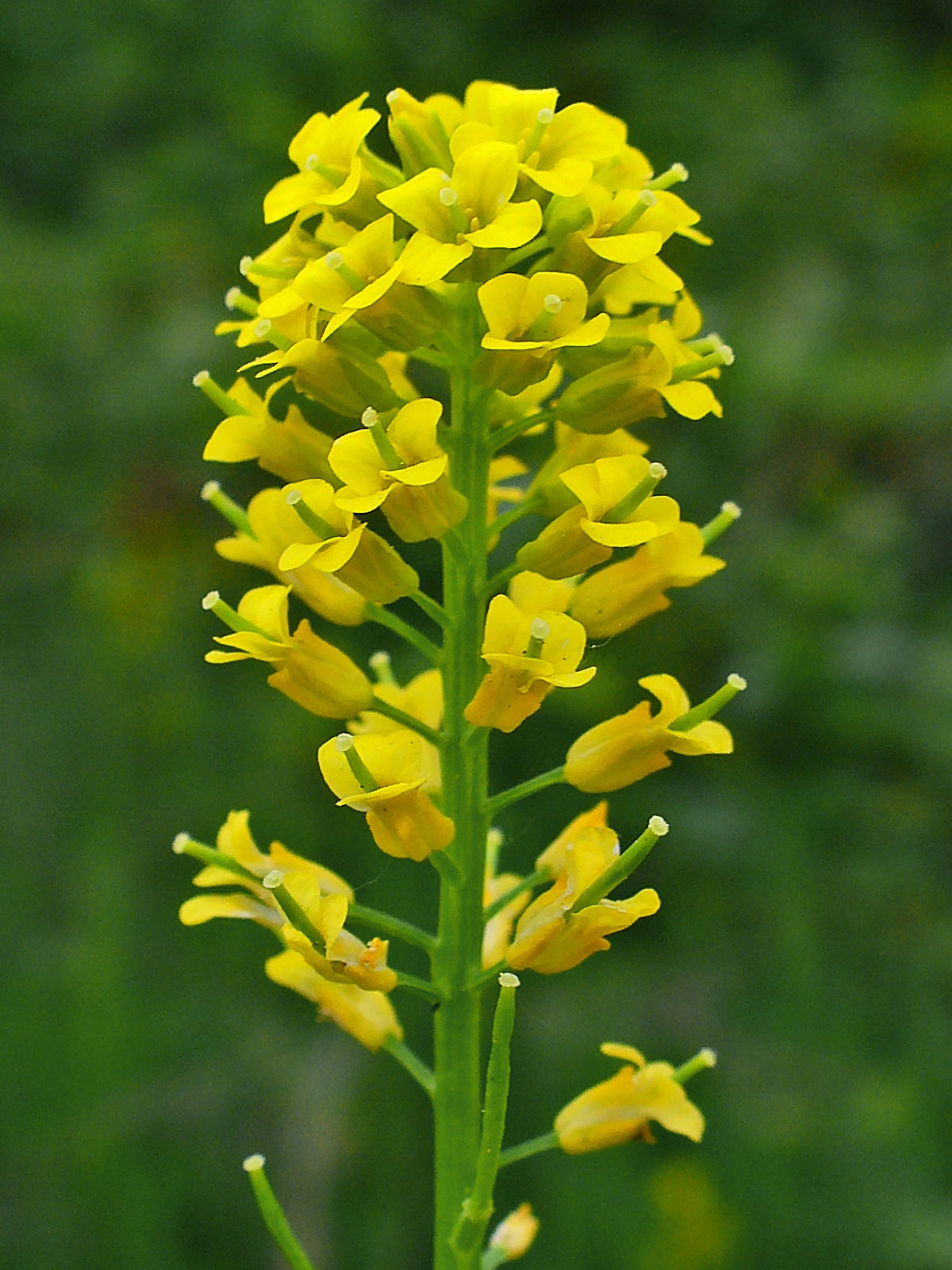
1. Diagnostic features Herbaceous, exstipulate, alternate leaves. Inflorescence- typical racemose type. Flowers- ebracteate and bisexual, Calyx-4, freely arranged in two whorls, Corolla-4, cruciform, Stamens-6, tetradynamous. Gynoecium: bi-carpellary, syncarpous with parietal placentation. Fruit- siliqua or silicula. 2. Distribution Worldwide in distribution. But they abundantly grow in temperate and cold parts of the northern hemisphere. Many species … Read more

General characters, reproduction and classification of Bryophytes

General characters, reproduction and classification of Bryophytes

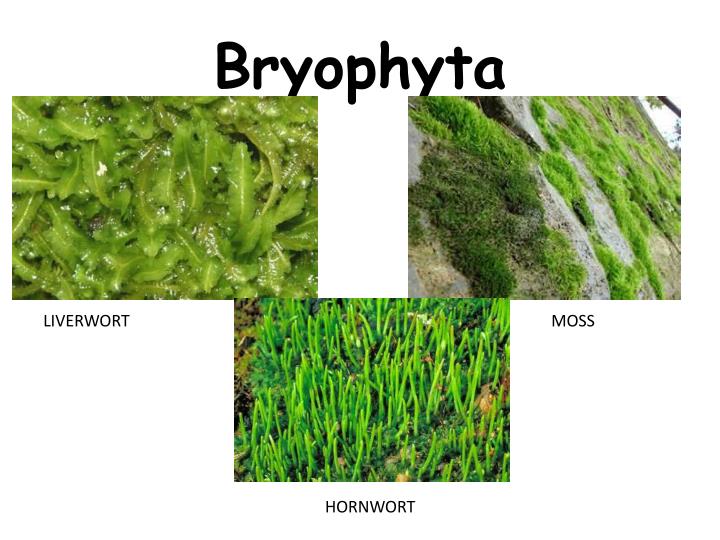
Introduction Derived from two Greek words (Bryon: Moss; phyton: plant). Includes liverworts, hornworts and mosses. Commonly known as amphibians of plant kingdom because they grow on amphibious habitat (moist habitat). Worldwide in distribution on most parts of the earth wherever there is sufficient moisture to sustain plant life. General characteristics Mostly grow in moist and … Read more

Some exceptions in Biology

Some exceptions in Biology

Physical sciences are governed by a set of laws, such laws are rigid and show no deviations or exceptions. But, biology is a science of life. It deals with living organisms. The living organisms show enormous variations and are capable of change. Therefore, the laws of physical and chemical phenomena associated with life processes show … Read more