Phylum: Porifera (sponge), its classification and characteristics

 Multicellular, eukaryotic with cellular grade of body organization. Aquatic, mostly marine few found in fresh water. Solitary or colonial, free living. Sedentary and sessile. May be asymmetrical (Spongilla) or radially symmetrical (Leucosolenia). Body greatly varies in shape. They may be vase-like, cylindrical, tubular or cushion like. Body is provided with large number of small inhalant … Read more

Phylum: Chordata, its classification and characteristics

The characteristics of this phylum are as follows: Presence of notochord Presence of dorsal hollow (tubular) nerve cord. Presence of pharyngeal gill slits. Post anal tail is present. Image source: kullabs This phylum is classified into four sub-phylum. They are as follows: Sub- phylum 1: Hemichordata Marine animals. Simple worm-like soft bodied animal. Remain buried … Read more

Phylum: protozoa

First animals, solitary or colonial and protoplasmic grade of organization. Simple, unicellular microscopic organisms. Generally free living found in fresh water, salt water and damp soil. Some are parasitic and commensal. Body is naked or covered by pellicle, exoskeleton or internal skeleton may be present in some forms. Locomotory organs are pseudopodia, whip-like flagella and … Read more

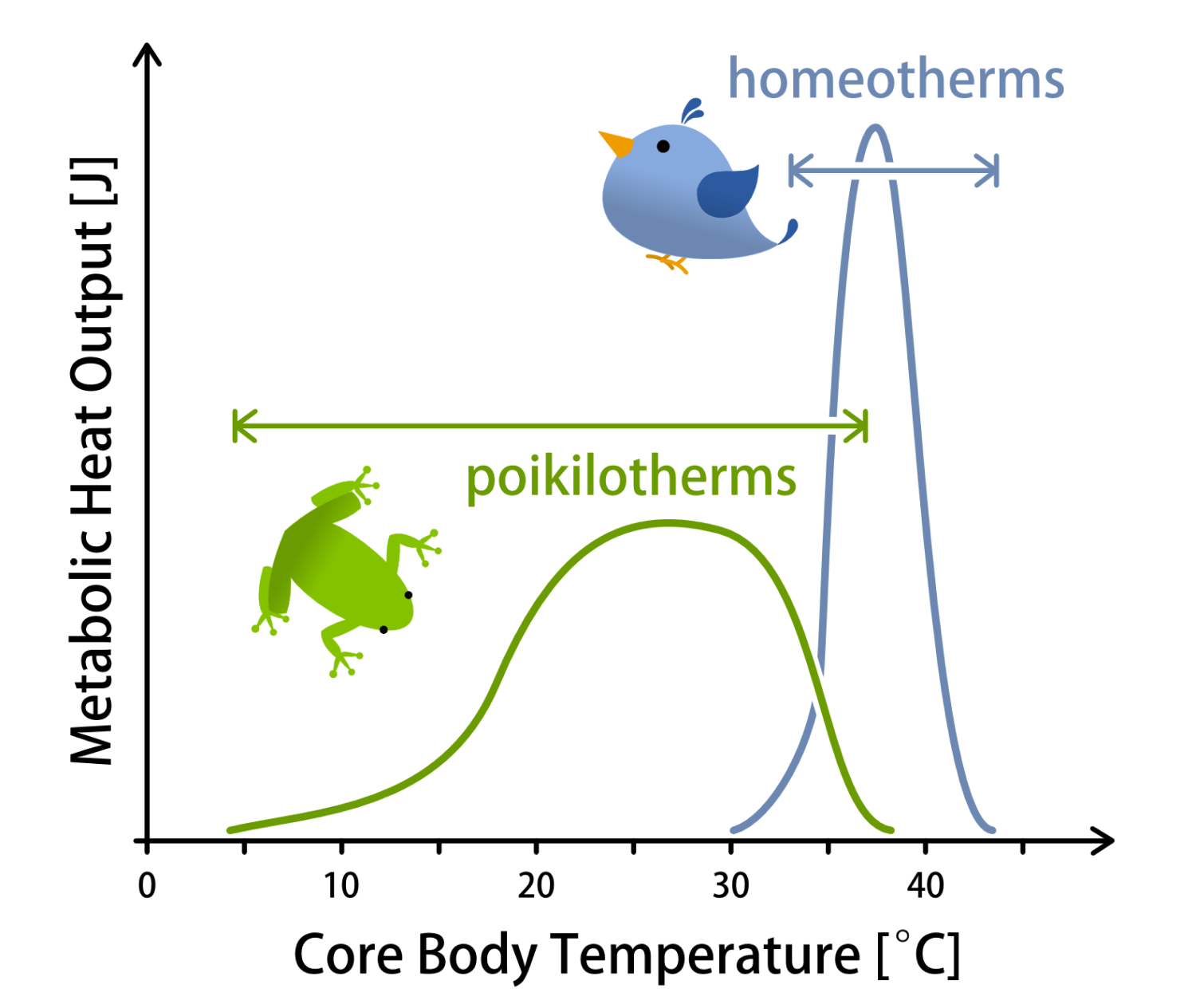
Differences between poikilothermic and homeothermic animals

S.N Poikilothermic animals Homeothermic animals 1. Relatively variable body temperature. Relatively constant body temperature. 2. They are oviparous. Thy may be oviparous or viviparous. 3. Most of them have gills for respiration. They have lungs for respiration. 4. They have 2 or 3 chambered heart except crocodile. They have four chambered heart. 5. Their skin … Read more

Differences between mitosis and meiosis

S.N                        Mitosis         Meiosis 1. It occurs in somatic cells. It occurs in sex cells. 2. Two daughter cells are produced. Four daughter cells are produced. 3. Each daughter cell contains diploid chromosomes. Each daughter cell contains haploid chromosomes. 4 No … Read more

Differences between organic and inorganic compounds

S.N Organic compounds Inorganic compounds 1. Carbon containing compounds are called organic compounds. Compounds of elements other than hydrocarbon are called inorganic compounds 2. Organic compounds are insoluble in water generally. For example: wax, kerosene, ghee, oil, etc. Inorganic compounds are soluble in water generally. For example: copper sulphate, sodium chloride, hydrochloric acid, etc. 3. … Read more

Differences between cartilage and bone

S.N                      Cartilage S.N                   Bone 1. It is comparatively soft, elastic and flexible. 1. It is hard, rigid and inelastic. 2. It consists of cartilage cells called chondrocytes. 2. It consists of osteocytes. 3. The matrix does … Read more

Five kingdom classification and features

The five kingdom system of classification was proposed by R.H Whittaker in 1969. This classification is based on following criteria: Complexity of cell structure- prokaryote and eukaryote. Complexity of organism’s body- unicellular and multicellular. Mode of obtaining nutrition– autotrophs and heterotrophs. Life style i.e. producers, consumers and decomposers. Phylogenetic relationship. The five kingdoms are Monera, … Read more

Various endocrinal disorders

Hormone Excess Defeciency Growth hormone or somatotrophin  hormone (STH) Gigantism in children Acromegaly in adult. Dwarfism. Thyroid stimulating hormone/thyrotropin (TSH) Increases the activity of thyroid gland called hyperthyroidism. Decreases the activity of thyroid gland called hypothyroidism. Prolactin Infertility, galactorrhoea, amenorrhea and decreased libido in male. Hypoprolactinaemia. Vasopressin Increase the osmolarity of urine. Diabetes insipidus. Thyroid … Read more

Important minerals and their functions

             Minerals                     Function       Symptoms of           deficiency     Minimum                 daily   requirements    Calcium(Ca) Bone and teeth formation, blood clotting, muscle activity, and nerve function. Spontaneous nerve discharge, tetany 800-1200mg   … Read more