Laboratory diagnosis of Leptospira

Because of the variability in the clinical manifestations of infection and frequent absence of jaundice, leptospirosis should always be considered in case of undiagnosed pyrexia (PUO). It is done especially when the patient could have been exposed to infection through the nature or place of work or in some other way. After an incubation period … Read more

Homeostatic organs in man and their functions

• The term was coined by an American physiologist Walter Cannon in 1932 AD. • It is defined as the tendency of biological systems to maintain a state of equilibrium. • The body’s self-regulation of hormones and acid-base levels, the composition of body fluids and body temperatures are examples of it. • Thus, the processes … Read more

Mycorrhizae: Types and Benefits

The mutualistic association of plant roots and fungi is known as mycorrhizae. There are generally two types of mycorrhizae. They are: A) Ecto-mycorrhizae In this type, fungal cells form an extensive sheath around the outside of the root and there is only a little penetration into the root tissue itself. These are found mostly in … Read more

Laboratory Bio-safety Levels

There are various types of microorganisms that are to be dealt in laboratory. Their potentiality to cause or infect the laboratories workers may differ from one another. The level of containment used to prevent accidental infections or accidental environmental contamination in clinical, research and teaching laboratories must be adjusted. It is done to counter the … Read more

Complement Fixation Test

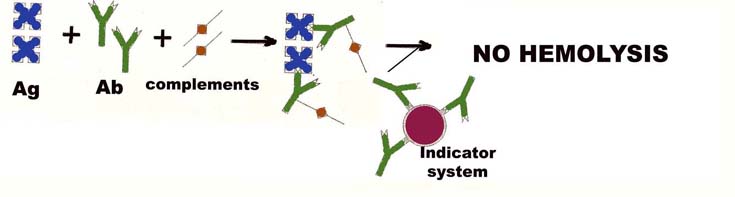
It is one of the immunological medical tests that can be used to detect the presence of either specific antibody or specific antigen in a patient’s serum. This test is based on whether complement fixation occurs or not. It is used for various purposes such as diagnosing infections caused by microbes that are not easily … Read more

Pseudomonas aeruginosa: Morphology, Biochemical reaction, Pathogenesis

Pseudomonads are a large group of aerobic, Gram-negative, non-fermentative bacilli. This contains over 200 species that were originally contained within the genus Pseudomonas. Some of them produce water soluble pigments which get diffused through the culture medium. The members are generally saprophytic in nature. They are widely distributed in different habitat like in soil, water, … Read more

Monoclonal antibodies: Principle, Technique and Uses

Antibodies are produced ordinarily by infection or immunization in an animal in response to a single antigen. They are heterogenous as they are synthesized by several different clones of antigens, i.e. they are polyclonal. Such antisera contain immunoglobulins of different classes with specificities against different epitopes of the antigen. Principle Monoclonal antibodies are those which … Read more

Sulfur Cycle

Sulfur is an essential nutrient for plant as well as animal. It is one of the constituent of many proteins and co-factors. The major reserve of the element is the soil. Sulfur compounds can be used in various ways as oxidants or reductants in microbial respiration. The dominance of one or another transformation is governed … Read more

Risk groups associated with safety measures in medical laboratory

Experience has confirmed that some organisms are more hazardous to handle. They are more likely to infect laboratory workers than others. World Health Organization (WHO) has classified the microorganisms (i.e., those associated with safety measures in medical laboratory) into four risk groups. The list of organisms in each group may not be same for every … Read more